What Cyber Security Skills Are Most in Demand in 2026?
Discover the top cyber security skills employers are hiring for in 2026. Learn about cloud security, ethical hacking, SOC, AI, IAM and more.
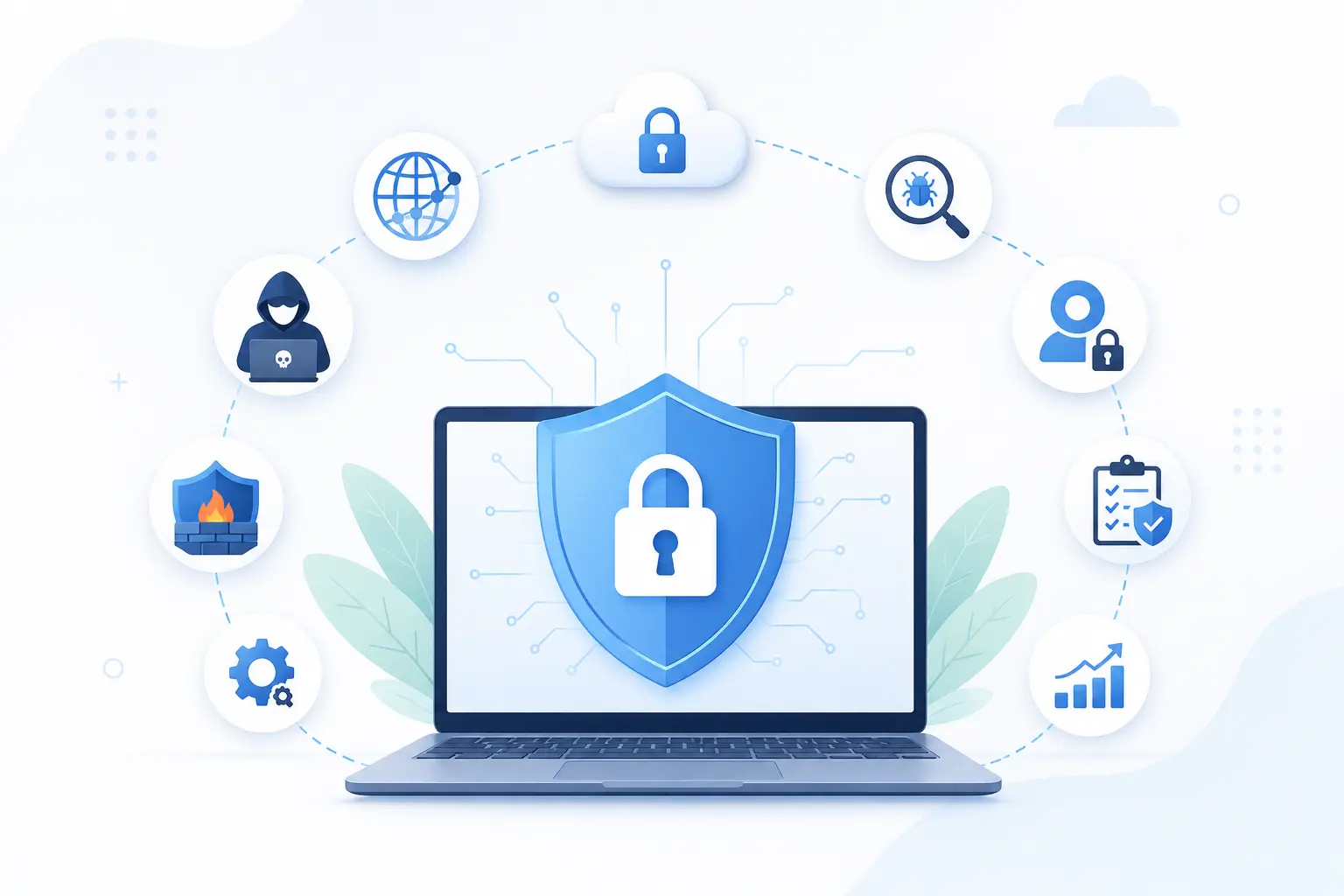
What Cyber Security Skills Are Most in Demand in 2026?
Discover the top cyber security skills employers are hiring for in 2026. Learn about cloud security, ethical hacking, SOC, AI, IAM and more.
Cyber security has become one of the fastest-growing career fields in the technology industry. As businesses increasingly rely on cloud computing, artificial intelligence (AI) and digital transformation, the number of cyber threats continues to rise. From ransomware attacks to data breaches, organizations need skilled professionals who can secure their systems and protect sensitive information.
In 2026, employers are looking for more than just certifications they want professionals with practical, job-ready skills. Whether you're a student, a recent graduate, or an IT professional planning a career switch, learning the right cyber security skills can significantly improve your career prospects.
Join Webinar about
Practical Training & Job-Oriented Courses
Apply for Upcoming Training Intake
Let's explore the most in-demand cyber security skills companies are hiring for in 2026.
1. Cloud Security
As organizations move their infrastructure to cloud platforms like AWS, Microsoft Azure, and Google Cloud, cloud security has become one of the most valuable skills in the industry.
Skills to Learn:
-
AWS Security
-
Azure Security
-
Identity and Access Management (IAM)
-
Cloud Infrastructure Security
-
Cloud Compliance
Why It Matters:
Companies need professionals who can secure cloud environments, prevent unauthorized access, and protect business-critical data from cyber threats.
2. Network Security
A strong understanding of networking forms the foundation of every cyber security career.
Skills to Learn:
-
TCP/IP
-
Firewalls
-
VPNs
-
DNS
-
Routing & Switching
-
Network Monitoring
Why It Matters:
Understanding how networks operate helps professionals identify vulnerabilities before attackers can exploit them.
3. Ethical Hacking & Penetration Testing
Ethical hackers simulate cyberattacks to discover security weaknesses before malicious hackers do.
Popular Tools:
-
Kali Linux
-
Burp Suite
-
Metasploit
-
Nmap
-
Wireshark
Why It Matters:
Organizations rely on ethical hackers to improve their security posture and reduce the risk of successful cyberattacks.
4. Security Operations Center (SOC) Skills
SOC Analysts continuously monitor networks and systems for suspicious activities.
Essential Skills:
-
SIEM Tools (Splunk, Microsoft Sentinel)
-
Log Analysis
-
Threat Detection
-
Security Monitoring
-
Incident Escalation
Why It Matters:
SOC professionals play a crucial role in detecting threats early and responding before they become major security incidents.
5. Incident Response
No organization is completely immune to cyberattacks. That's why companies invest heavily in professionals who can respond quickly and minimize damage.
Key Responsibilities:
-
Detecting cyber incidents
-
Containing attacks
-
Recovering compromised systems
-
Creating incident reports
Why It Matters:
A fast and effective response reduces downtime, protects customer data, and minimizes financial losses.
6. Identity & Access Management (IAM)
Managing who can access organizational resources is one of the most important aspects of cyber security.
Technologies to Learn:
-
Multi-Factor Authentication (MFA)
-
Single Sign-On (SSO)
-
Privileged Access Management (PAM)
-
Zero Trust Security
Why It Matters:
Proper identity management prevents unauthorized users from accessing sensitive business information.
7. AI & Cyber Security
Artificial Intelligence is transforming both cyberattacks and cyber defense.
Emerging Skills:
-
AI-powered Threat Detection
-
Machine Learning Basics
-
Security Automation
-
Automated Incident Response
Why It Matters:
Professionals who understand AI-driven security solutions will be highly sought after as organizations adopt smarter security technologies.
8. Risk Management & Compliance
Cyber security is not just about technology it also involves managing business risks and complying with industry regulations.
Important Frameworks:
-
ISO 27001
-
NIST Cybersecurity Framework
-
GDPR
-
Risk Assessment
Why It Matters:
Organizations need professionals who can align security strategies with business and regulatory requirements.
9. Programming & Scripting
Automation has become an essential part of modern cyber security.
Languages Worth Learning:
-
Python
-
PowerShell
-
Bash
-
SQL
Why It Matters:
Programming skills help automate repetitive security tasks, analyze threats, and improve overall efficiency.
10. Communication & Problem-Solving Skills
Technical expertise alone isn't enough. Cyber security professionals regularly communicate with clients, management, and technical teams.
Essential Soft Skills:
-
Critical Thinking
-
Problem Solving
-
Report Writing
-
Team Collaboration
-
Communication Skills
Why It Matters:
The ability to explain complex security issues in simple language makes professionals more valuable to employers.
How to Develop These Skills
Building a successful cyber security career requires both theoretical knowledge and practical experience. A strong learning path should include:
-
Learning networking fundamentals
-
Practicing in virtual labs
-
Working with real-world security tools
-
Participating in Capture the Flag (CTF) challenges
-
Earning globally recognized certifications
-
Gaining hands-on experience through live projects and mentorship
-
Staying updated with the latest cyber security trends
Consistent practice and real-world exposure are the key to becoming job-ready.
Conclusion:
The demand for skilled cyber security professionals continues to grow in 2026 as businesses invest more in protecting their digital assets. Skills such as cloud security, network security, ethical hacking, SOC operations, incident response, identity management, AI-driven security, and risk management are among the most sought-after by employers.
While certifications can strengthen your resume, practical knowledge and hands-on experience are what truly set candidates apart in today's competitive job market.
At Vigyanthub, we help aspiring cyber security professionals build job-ready skills through expert mentorship, live shadowing, hands-on practical training, and globally recognized certification programs. By combining industry-relevant knowledge with real-world experience, you can confidently prepare for a successful and future-ready career in cyber security.

Insights That Shape Better Careers
Modern industries value adaptability, problem-solving, and hands-on experience. Structured learning plays a key role in professional growth.
What Cyber Security Skills Are Most in Demand in 2026? FAQs
Frequently Asked Questions
Welcome back
Our Professional Trending Courses
The most popular picks by professionals, for professionals.
Microsoft Azure Administrator (AZ-104)
Master the skills required to implement, manage, and monitor identity,...
EC-Council Certified Ethical Hacker v13 (CEH v13) Training
The CEH v13 course equips cybersecurity professionals with hands-on skills...

Project Management Professional (PMP)® Training
Master the project management skills required to lead complex projects...

AWS Solution Architect Associate (SAA-C03)
Elevate your career by mastering the ability to design resilient,...